Little Dog: A Designer's Review for Craft Fair Success
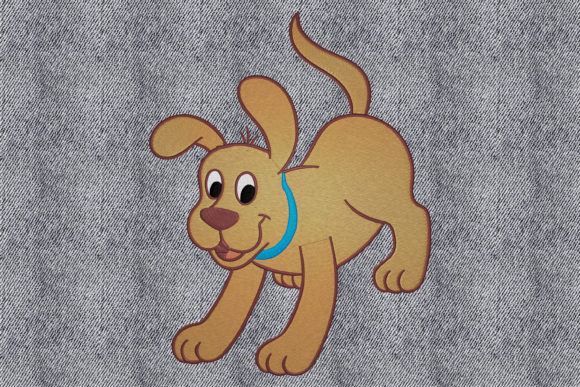
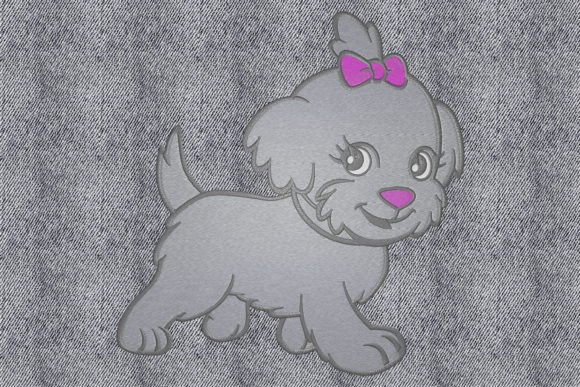
I recently sat down to review a new machine embroidery design titled "Little Dog" with the specific intention of stocking my booth at an upcoming weekend craft fair. As someone who has spent years turning digital files into tangible, sellable goods, I know that the difference between a design that sits in a drawer and one that flies off the table often comes down to practical application. This review focuses on how this particular piece performs as a craft fair product, whether it will hold its own among handmade gifts, and if it truly delivers the quality expected by buyers.
First Impressions and Visual Appeal
The title "Little Dog" immediately sets a tone of approachability and warmth. In the crowded world of handmade products, cute animal motifs are perennial best-sellers, but they can easily feel generic if not executed well. Based on the description provided, which highlights high-quality construction suitable for pillows, t-shirts, and sweatshirts, the initial judgment is positive. The name suggests a design that feels soft, friendly, and perhaps a bit rustic or modern depending on the execution.
For a Etsy seller or boutique maker, the visual appeal must translate instantly from a screen to real life. Does "Little Dog" look like a premium design asset or a clip-art afterthought? The mention of multiple file formats implies versatility, which is crucial for creating a cohesive brand identity across different items. If the design balances bold shapes with delicate details, it will photograph beautifully for online listings and stand out under the bright lights of a market tent. It has the potential to be a focal point that draws customers in without overwhelming the garment or accessory it adorns.
Performance Across Key Products
When preparing my display table, I evaluated where "Little Dog" would shine brightest. The versatility of this embroidery file makes it ideal for a wide range of inventory. On a canvas tote bag design, the motif would serve as a charming accent, perfect for shoppers looking for functional yet stylish accessories. Similarly, applying it to an apron embroidery project adds a touch of personality to kitchen wear, making it a great gift item for foodies and home cooks.
Kitchen enthusiasts will love seeing this design on a tea towel. The texture of a linen or cotton towel provides a fantastic backdrop for stitch density, allowing the thread colors to pop against the fabric weave. For those selling caps or hats, the design could work well as a centered chest logo or a side patch, provided the curve of the hat is considered during digitizing. An embroidered patch version of "Little Dog" could also be sold separately as a DIY add-on, increasing the average order value for your shop.
Pillow covers and small pouches are another strong category. These items often command higher price points because they require more fabric and time, so having a high-quality design like this ensures you aren't leaving money on the table. As a small shop product, "Little Dog" fits perfectly into a curated collection of giftable handmade items. Whether used on a market bag or a decorative pillow, it offers the repeatable pattern needed for batch production while maintaining a unique, handcrafted feel.
Photography and Online Listings
In today's digital marketplace, your printable mockup is often the first thing a customer sees. "Little Dog" needs to be clear enough to read even when viewed on a small mobile screen. If the design features too many tiny details, it may blur in photos, reducing its perceived value. However, if the lines are clean and the contrast is high, it will make excellent use of space in an Etsy listing. Creating a few variations with different thread colors can help you test which palette resonates most with your audience before committing to a large run.
Practical Production and Selling Points
From a production standpoint, ease of understanding is key. Can a machine stitch this out efficiently without constant thread breaks? Is it easy to hoop? The description notes compatibility with various garments, which suggests the design is likely scalable. For a busy crafter, knowing that the design works as both a small accent and a large focal point is a massive advantage. It allows you to create a diverse range of items using a single digital purchase.
However, there are critical factors to consider before mass-producing. You must verify the hoop size requirements. If "Little Dog" is designed for a 4x4 hoop, it might be too small for a full back-tshirt design but perfect for a cap. Conversely, if it requires a larger frame, it may not fit standard tote bags. Always check the specifications provided in the download package to ensure it matches your equipment capabilities.
Another vital consideration is the stitch density. Designs with dense stitching can sometimes cause puckering on lightweight fabrics like t-shirts unless proper stabilizers are used. On textured towels or thick denim, the design might get lost if the thread count isn't sufficient to cover the fabric grain. Before running a full batch, I always recommend testing on scrap fabric to see how the threads interact with the material.
Crucial Use Notes for Quality Control
To maintain the reputation of your commercial embroidery business, attention to detail is non-negotiable. Be mindful of dark fabrics; light-colored threads may not show up clearly, and vice versa. Textured fabrics can hide fine details, so avoid designs with tiny lettering or intricate whiskers if you plan to embroider them on heavy materials. Curved surfaces, like baseball caps, can distort straight lines, so ensure the design is optimized for curvature if intended for headwear.
If the design includes small text or very fine lines, these elements often lose clarity when stitched at smaller sizes. Customers expect crisp edges and defined shapes. If "Little Dog" relies on tiny dots or thin lines to convey the image, it may appear muddy on certain products. Always inspect the finished product closely to ensure the design retains its integrity.
Designer's Checklist for Success
Before you rush to print labels and pack boxes, follow these essential steps to ensure "Little Dog" becomes a top performer in your shop:
- Test on Scrap Fabric: Never skip this step. Run the design on the exact fabric you intend to sell to check for tension issues or color shifts.
- Check Thread Contrast: Ensure the chosen thread colors provide enough contrast against the background fabric to make the design pop.
- Review Spacing: Verify that the placement marks align correctly with your product dimensions, especially for asymmetrical items like aprons.
- Confirm Hoop Size: Match the design dimensions to your available hoops to avoid cropping or resizing errors.
- Inspect Stitch Density: Look for areas where stitches are too close together, which can lead to fabric distortion or needle breakage.
- Use the Right Stabilizer: Select a stabilizer (cut-away, tear-away, or water-soluble) that complements the weight of your fabric.
- Create Real Mockups: Produce at least one physical sample to take photos for your website and social media.
- Compare Fabric Colors: Test the design on white, black, and neutral tones to see how it performs across your inventory.
- Confirm Commercial Licensing: Most importantly, double-check the license terms included with the digital embroidery file. Ensure you have the right to sell finished products made with "Little Dog."
By following these guidelines, you can transform a simple embroidery design into a profitable line of finished products. "Little Dog" has the potential to be a standout piece in any booth, offering charm and quality that buyers appreciate. With careful planning and attention to the technical details, this design can become a staple in your collection of design assets, driving engagement and sales for your creative enterprise.