Little Bee: A Designer's Review for Real-World Embroidery
When I first opened the file for Little Bee, I wasn't just looking at a digital image; I was visualizing the finished product on a customer's chest or nestled in a baby's crib. As someone who has spent years turning digital files into tangible, tactile goods, my initial reaction to this design is one of cautious optimism. It captures that specific whimsical charm that sells so well in the handmade market, but the devil is always in the stitching details.
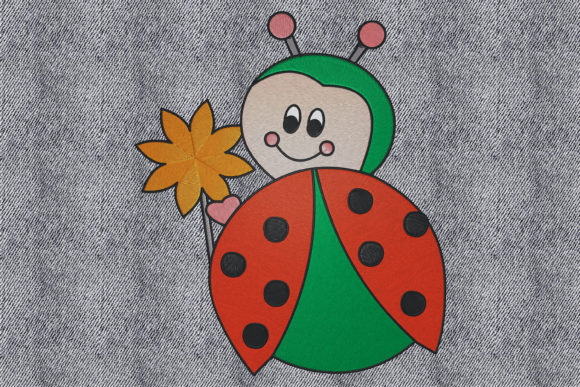
This isn't just another generic bug motif. The personality of Little Bee feels distinct enough to stand out in a crowded Etsy shop or a boutique display, yet simple enough to be versatile across various mediums. Whether you are an experienced embroiderer or a small business owner looking to expand your catalog, understanding how this design translates from screen to fabric is crucial before you commit to a production run.
The First Impression: Mood and Visual Personality
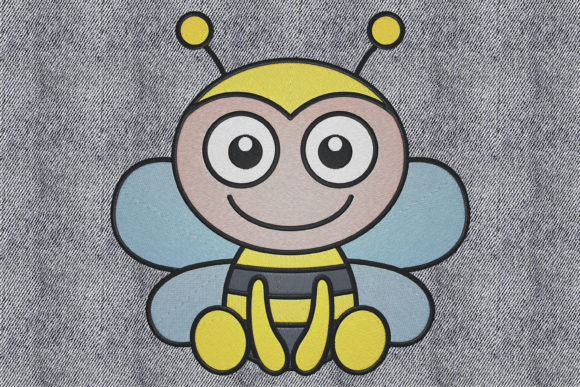
The immediate feeling Little Bee evokes is warmth and approachability. In the world of Bugs embroidery designs, it strikes a balance between cute and professional. It avoids the overly cartoonish look that can sometimes cheapen a product, opting instead for a cleaner aesthetic that works well with modern branding trends. The layout suggests a design that is meant to be a focal point without overwhelming the garment or accessory it adorns.
For a designer, the shape is inviting. It promises a finished product that feels handcrafted rather than mass-produced. When I imagine this as a tote bag design or a patch on a denim jacket, the visual weight seems perfectly distributed. It doesn't scream for attention; it invites the viewer to lean in closer. This subtlety is often what separates a hobbyist project from a high-end handmade product.
Real-World Application: From Concept to Finished Product
Let's talk about where this design actually shines. I recently considered using Little Bee for a custom order involving baby onesies and nursery decor. The scale of the design makes it ideal for these delicate items. On a soft cotton onesie, the stitches would lay flat, creating a gentle texture that is safe for sensitive skin while adding a delightful touch of character.
However, its versatility extends far beyond baby items. I envision this embroidery design performing exceptionally well on kitchen towels for a holiday gift set. The contrast of the bee against a white or linen background creates a cheerful, homey vibe that appeals to buyers looking for personalized gifts. For sweatshirt embroidery, the design offers a nice break from typical logos, allowing brands to inject some playfulness into their merchandise without losing professionalism.
As a commercial embroidery asset, Little Bee has strong potential for small shop products like aprons or caps. Imagine a local bakery offering branded aprons with this design; it adds a layer of personality that customers remember. The clean lines ensure that even when stitched on curved surfaces like hats, the overall silhouette remains recognizable and intact.
Where to Exercise Caution
While the design is charming, no single file is a magic bullet for every situation. There are specific scenarios where Little Bee requires careful consideration. If you are working with a very small hoop size, you must verify the dimensions of the file. Designs with intricate details can sometimes lose definition when compressed too tightly, leading to a muddy appearance in the final stitch.
Fabric choice is equally critical. While this design looks great on stable materials like canvas or cotton twill, textured fabrics can hide the fine details of the stitching. Similarly, stretchy fabrics require a robust stabilizer strategy. Without proper support, the tension of the machine embroidery might cause the fabric to pucker around the bee, ruining the clean look of the finished piece.
Dark fabrics present another challenge. Depending on the thread colors included in the package, you may need to use a high-quality underlay or a specific thread type to ensure the design pops. If the design relies on light threads on a dark background, the density of the fill stitch must be sufficient to prevent the base fabric from showing through. Always test on scrap material first to avoid wasting expensive garments.
Impact on Brand Value and Customer Trust
In the world of Etsy sellers and creative entrepreneurs, the quality of the embroidery directly correlates with perceived value. A sloppy stitch job can undermine months of marketing efforts, whereas a crisp, well-executed design builds trust. Little Bee, when executed correctly, elevates the entire product line. It signals that the maker cares about detail, which encourages repeat business and positive reviews.
The design also plays a significant role in giftability. A personalized gift featuring a unique, well-stitched motif feels more thoughtful than one with generic lettering. Customers are willing to pay a premium for items that show craftsmanship. By using a design like Little Bee, you are essentially selling a sense of joy and care that resonates deeply with buyers looking for meaningful personalized gifts.
Practical Notes for the Professional Designer
Before you load this embroidery file into your machine, there are several technical steps you should take to ensure success. First and foremost, check the stitch density. High-density areas can sometimes cause issues on thinner fabrics, so reviewing the file structure is essential.
You must also confirm the hoop size requirements. Ensure your machine setup matches the design specifications to avoid trimming errors or alignment issues. If you are planning to sell finished items commercially, double-check the licensing terms provided with the download. Some digital products allow personal use only, while others permit commercial sales of physical goods.
Thread color selection is another area where judgment is required. Don't just stick to the default palette if it doesn't suit your brand. Experiment with different thread colors to see how they interact with your specific fabric choices. Testing in black and white mockups can also help you visualize the contrast levels before committing to actual stitching.
Finally, always inspect the small details. Look for any loose corners or tiny elements that might get lost during the stitching process. Using the right stabilizer is non-negotiable; it provides the foundation that keeps the design sharp and prevents distortion. Whether you are creating a single embroidered patch or a batch of custom apparel, these preparatory steps will save you time and frustration.
Little Bee is more than just a cute insect graphic; it is a versatile tool for designers ready to create memorable products. With the right preparation and execution, it can become a staple in your collection of design assets, helping you craft beautiful, functional items that customers love.