Rose with Green Branches Review for Business Use
As a professional embroidery designer who has spent years creating assets for small business owners and apparel decorators, I approach every new digital file with a critical eye. When evaluating Rose with Green Branches, I am not just looking at floral aesthetics; I am analyzing its viability as a commercial tool. For Etsy sellers, boutique owners, and merch creators, the right machine embroidery design can elevate a product from a simple commodity to a premium brand asset. This review focuses on how this specific embroidery piece performs when applied to real-world business scenarios, from staff uniforms to branded patches.
First Impressions: Professionalism Meets Handmade Charm
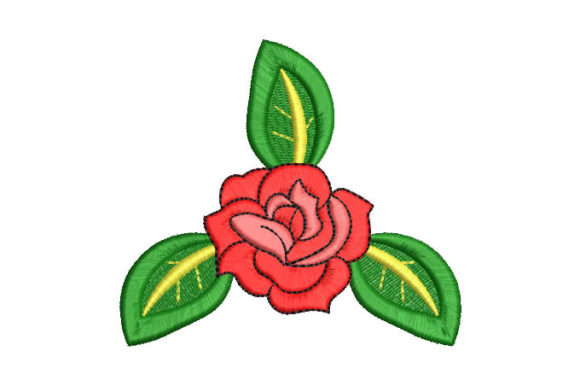
The title Rose with Green Branches suggests a classic botanical theme, but the description hints at versatility. It is described as wonderful and beautiful, capable of working with any fabric type you like to work with. From a branding perspective, this design strikes a balance between elegance and approachability. It feels less like a rigid corporate logo and more like a handmade product accent. The inclusion of green branches alongside the rose adds depth, making it suitable for businesses that want to convey growth, nature, or organic quality.
For a small café, bakery, or florist, this visual personality fits perfectly. It does not scream "mass-produced" but rather whispers "crafted with care." However, when we discuss brand identity, we must ensure that the design's complexity matches the intended message. If your brand is modern and minimalist, the detailed branches might need simplification. If your brand is rustic or vintage, this design aligns seamlessly with those values. It is a versatile design asset that can enhance customer trust by suggesting attention to detail in your finished goods.
Real-World Applications for Small Business Merch
In my experience reviewing files for clients, the true test of an embroidery file is its adaptability across different merchandise categories. Here is how Rose with Green Branches could function in various commercial contexts:
- Embroidered Patches: This design has strong potential as a standalone embroidered patch. The natural shape of the branches allows for flexible backing options, making it ideal for sew-on or iron-on applications. A boutique selling handmade goods could use this on tote bags or hats to create a cohesive look.
- Staff Uniforms and Aprons: For a coffee shop or restaurant, placing this design on the chest of a work shirt or the bib of an apron adds a touch of sophistication. It serves as a subtle branding element that customers notice without being overwhelming.
- Cap Embroidery: The curved surface of a cap requires careful consideration. While the floral motif is beautiful, the width of the branches must be evaluated to ensure they do not distort on the front panel.
- Tote Bag Design: Tote bags are a staple for craft fairs and events. This design works well as a central focal point or a repeating pattern along the side seam, turning a simple canvas bag into a walking advertisement.
- Product Packaging Accents: Imagine a small business adding a branded label to their packaging. A small version of Rose with Green Branches embroidered on a cotton tag attached to a jar of soap or a box of cookies significantly increases perceived value.
When used correctly, these applications turn standard items into custom apparel that customers want to wear and display. The design acts as a visual anchor, reinforcing what your business stands for every time a customer sees it.
Critical Considerations and Potential Pitfalls
While the aesthetic appeal is clear, a professional designer must warn about where this design might struggle. Not every commercial embroidery project is a good fit for every application. You must exercise caution with Rose with Green Branches in the following scenarios:
- Small Patch Sizes: If you intend to make a tiny lapel pin or a very small badge, the details of the branches may become muddy. Fine lines often disappear when scaled down too much, resulting in a blob rather than a flower.
- Curved Surfaces: Cap fronts and sleeve cuffs present challenges. The design needs to be digitized specifically for curvature to prevent thread breaks or puckering. Without proper adjustments, the roses may look distorted on a rounded hat.
- High Stitch Density: Floral designs often require high stitch counts to achieve a premium look. On thin fabrics or stretchy materials like performance wear, this density can cause the fabric to pucker. Always check the stitch density before committing to a production run.
- Detailed Outlines: If the design features intricate outlines, ensure they are wide enough to hold up against frequent washing. Thin lines are prone to fraying over time, which can damage the finished product's reputation.
- Fabric Texture: While the description claims it works with any fabric, textured surfaces like heavy denim or loose-weave linen can hide the details of the embroidery. Smooth fabrics generally yield the best results for this type of digital embroidery file.
Impact on Brand Identity and Customer Trust
Every stitch tells a story. When you choose Rose with Green Branches for your small business merch, you are making a statement about quality. High-quality embroidery signals to the buyer that you care about the durability and presentation of your products. This directly influences brand identity and customer recognition.
A crisp, well-executed floral design on a tote bag or apron creates a sense of professionalism. It suggests that your business is established and trustworthy. Conversely, a poorly executed design with skipped stitches or messy thread colors can undermine that trust. The visual consistency provided by using a cohesive set of design assets helps customers identify your brand instantly in a crowded marketplace. Whether it is for event merch or daily work shirts, the design contributes to a unified visual language that engages buyers.
Practical Designer Notes for Production
Before you upload this file to your machine or send it out for mass production, follow these essential steps to ensure success. These tips are derived from years of troubleshooting common embroidery issues:
- Test in Black and White First: Convert the design to grayscale to see if the contrast holds up. This helps you determine if the thread color choices will provide enough definition.
- Check Small Patch Size: Create a mockup of the design at 100% scale. Does it still look clear? If not, consider simplifying the branches for smaller applications.
- Review Thread Color Contrast: Ensure the thread colors chosen stand out against your target fabric. Dark threads on dark fabric often get lost unless there is a significant difference in shade.
- Inspect Spacing and Hoop Size: Confirm that the hoop size required for this design fits your garment dimensions. Large designs may require multiple hoops, which can lead to alignment issues.
- Test on Real Fabric: Never skip a test run on the actual material you plan to sell. Different fabrics react differently to stabilizers and tension settings.
- Use Proper Stabilizer: The stability of the fabric is crucial. Using the wrong stabilizer can cause the embroidered patch to warp or tear away from the garment.
- Create a Printable Mockup: Before investing in physical samples, generate a printable mockup to show clients or stakeholders. This allows for approval on the visual placement without wasting resources.
- Compare Beside Other Assets: Place this design next to your existing logos or text elements. Do they share a similar style? Consistency is key to a professional look.
- Confirm Commercial Licensing: Most importantly, verify the licensing terms. Ensure you have the right to use Rose with Green Branches for commercial purposes, such as selling embroidered goods, before you begin production.
By treating Rose with Green Branches as a strategic business tool rather than just a decorative element, you can maximize its impact. Whether you are designing for a local florist or a national clothing line, paying attention to these technical details ensures your finished product meets the highest standards of quality.