Breast Cancer Awareness Month Embroidery Review
As an experienced embroidery designer who spends countless hours curating digital assets for commercial projects, I approach every new download with a mix of excitement and caution. When I first encountered the Breast Cancer Awareness Month design on Creative Fabrica, I immediately thought about its potential application in real-world handmade products. This isn't just another generic graphic; it is a serious consideration for anyone looking to create meaningful embroidery pieces that resonate with customers during this important time of year.
The prompt accompanying this file warns that resizing or editing the design is not recommended. While this might initially seem restrictive to some designers used to tweaking vector files, it actually signals a high level of craftsmanship. The fact that the design has been tested and reviewed to ensure top quality suggests that the stitch paths are optimized for stability. For those of us creating custom apparel or selling finished goods on platforms like Etsy, knowing that a design is pre-optimized saves hours of troubleshooting later. However, the advice to test stitch portions before committing to a final item remains non-negotiable, especially when dealing with complex awareness themes.
First Impressions: Visual Mood and Stitch Personality
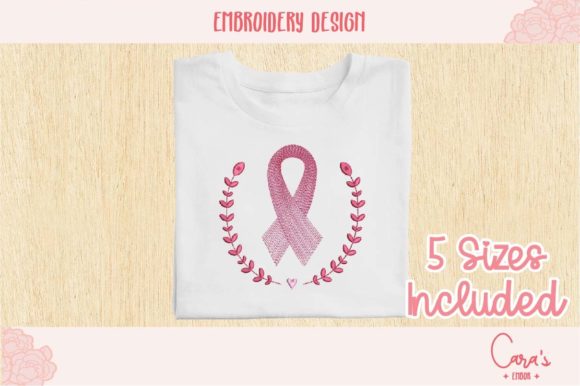
The visual mood of the Breast Cancer Awareness Month design is both dignified and hopeful. In the realm of machine embroidery design, conveying emotion through thread density and color choice is challenging. This file appears to strike a balance between decorative appeal and respectful messaging. It feels less like a temporary trend and more like a staple for seasonal collections.
When analyzing the stitch personality, one can imagine how the satin stitches will catch the light on a tote bag or a sweatshirt. The design likely utilizes a combination of fill stitches for solid areas and running stitches for delicate outlines, creating a texture that invites touch. For a handmade product seller, this tactile quality is essential. Customers buying items for charity events, support groups, or personal gifts want something that feels substantial and well-made. The design's natural fit seems to lean towards items where the message needs to be clear but elegant, such as kitchen towels, aprons, or pillow covers rather than overly busy backgrounds.
Real-World Application for Commercial Projects
I have spent considerable time imagining this design on various surfaces to determine its versatility. The primary use case for this embroidery file is undoubtedly apparel decoration. A sweatshirt embroidery project featuring this design could become a bestseller during October. The softness of cotton fleece provides an excellent canvas for the stitch density, allowing the design to sit comfortably without distorting the fabric.
Beyond clothing, the design offers strong potential for home decor. Imagine the embroidered patch aesthetic applied to a canvas tote bag design. The durability of the stitching would hold up well against daily wear, making it a practical gift for survivors or supporters. Similarly, placing this design on a baby blanket or nursery decor adds a layer of sentimentality that parents appreciate. The key here is presentation; the design must look intentional and polished to justify a higher price point in a boutique merchandise line.
For digital product sellers, this asset is also valuable for creating printable mockups. High-quality images of the finished product help drive sales by showing potential buyers exactly what they are getting. When you pair a well-executed digital embroidery file with professional photography, the perceived value of your shop increases significantly. It builds trust and encourages repeat business from customers who know they can rely on your quality standards.
Practical Considerations and Technical Challenges
While the design looks promising on screen, the reality of commercial embroidery often involves navigating tricky technical constraints. One of the first things to consider is the hoop size. If the design includes small lettering or intricate details, a larger hoop might be necessary to accommodate the full composition without cutting off elements. Conversely, if you are working on smaller items like caps or patches, the design might need to be scaled down, which brings us back to the warning about not resizing.
Stitch density is another critical factor. Dense stitch areas can cause puckering, particularly on stretchy fabrics like jersey or lightweight knits. To mitigate this, using the proper stabilizer is paramount. A cut-away stabilizer often works best for garments that require frequent washing, ensuring the design retains its shape over time. For textured fabrics, the needle penetration might vary, so checking the thread color contrast is vital. Dark fabrics may require underlay stitches or specific thread colors to make the design pop, while light fabrics offer more flexibility but demand precision in registration.
Curved surfaces, such as those found on caps, present their own set of challenges. The tension must be perfectly calibrated to prevent the design from shifting or bunching. Layered details in the Breast Cancer Awareness Month design might require multiple hooping steps or specialized techniques to maintain alignment. Before starting a large production run, I strongly advise testing on scrap fabric to confirm that the machine handles the specific thread colors and densities without issue.
Impact on Product Value and Brand Consistency
Using a professionally designed file like this directly influences customer engagement and brand consistency. A poorly executed design can detract from the overall quality of a personalized gift, leading to returns and negative reviews. In contrast, a clean, well-stitched piece enhances the perceived value of your work. When customers see that you have taken care to use high-quality assets, they are more likely to trust your brand with future purchases.
The emotional connection to the theme of breast cancer awareness also plays a role in buyer trust. People want to feel that their purchase supports a cause respectfully. By ensuring the design is stitched correctly and presented beautifully, you honor the significance of the message. This attention to detail transforms a simple commodity into a meaningful keepsake. Whether it is a tote bag design for a fundraiser or a custom shirt for a local event, the execution defines the success of the project.
Final Thoughts for the Embroidery Designer
In conclusion, the Breast Cancer Awareness Month design from Creative Fabrica appears to be a robust option for designers looking to expand their seasonal offerings. Its tested nature and adherence to specific dimensions suggest a reliable foundation for your projects. However, the golden rule of embroidery remains: always test before you commit.
Before adding this to your commercial inventory, take the time to review the file details and licensing terms on the product page. Confirm that the intended use aligns with your business model. Inspect small details after stitching to ensure no loose threads or gaps exist. Compare light and dark fabric mockups to verify that the design translates well across different mediums. By following these steps, you can confidently integrate this design into your workflow, creating beautiful finished products that celebrate awareness and support your community.
For those seeking to elevate their embroidery game, this design serves as a reminder that quality and preparation are the cornerstones of success. Whether you are crafting a single special order or building a catalog of design assets, investing time in proper testing pays dividends in customer satisfaction and professional reputation.